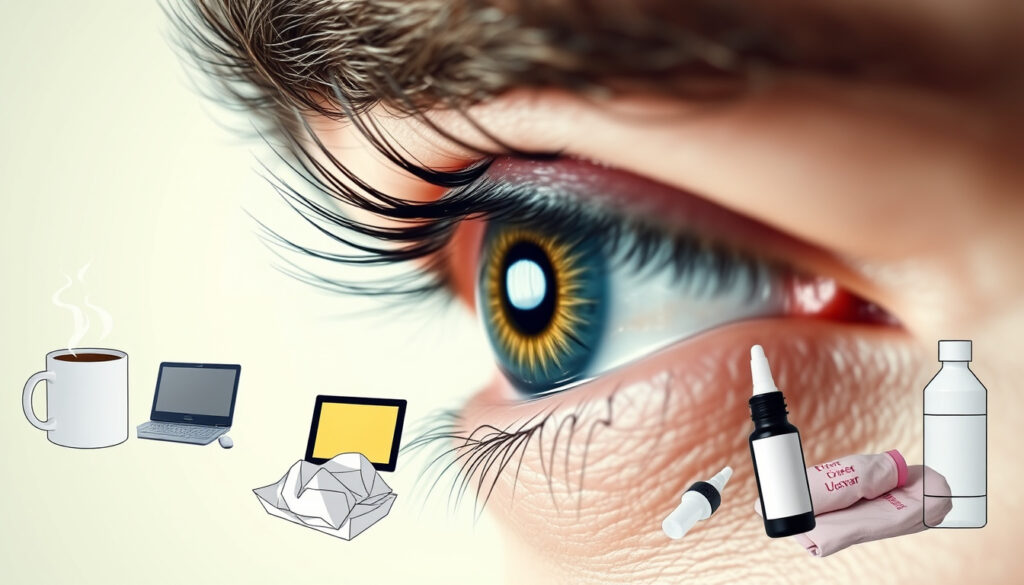
Why Is My Eye Twitching – Common Causes and Fixes
That persistent flutter beneath your eyelid can range from a minor annoyance to a puzzling mystery. Most cases of eye twitching—medically known as myokymia—stem from common lifestyle factors and resolve on their own within days or weeks. Understanding what triggers these involuntary spasms helps determine whether simple self-care measures suffice or whether professional evaluation becomes necessary.
According to the Cleveland Clinic, eyelid myokymia represents the most prevalent form of eye twitching, characterized by benign, involuntary contractions of the eyelid muscles. These spasms typically affect one eye and feel like gentle rippling movements beneath the skin. While the sensation can be unsettling, the vast majority of cases carry no serious implications.
This explainer examines the primary triggers, expected duration, and practical steps you can take when your eye starts twitching. Medical sources including the Mayo Clinic and the American Optometric Association emphasize that most episodes require no medical intervention.
What Causes Eye Twitching?
Eye twitching results from a combination of common triggers, with stress, fatigue, and caffeine consumption ranking among the most frequent culprits. The Healthline resource on eyelid twitching notes that these involuntary spasms originate from minor muscle contractions rather than underlying disease in most instances. Identifying the specific trigger often helps resolve the episode more quickly.
Stress / Fatigue
Gentle fluttering
Minutes to days
Rest and relaxation
Caffeine / Dry eyes
Often one eye
Several hours
Hydration and drops
Allergies
Itching with twitch
Variable
Antihistamine drops
Serious (rare)
Persistent / painful
Weeks without relief
Medical evaluation
Primary Triggers to Consider
Several lifestyle and environmental factors commonly contribute to eyelid twitching. The My Eye Physicians resource outlines these triggers with particular emphasis on their prevalence in everyday life.
- Approximately 90% of cases stem from benign causes such as stress and fatigue
- Excessive caffeine or energy drink consumption frequently initiates spasms
- Prolonged screen time and digital eye strain create muscle tension
- Allergic reactions affecting the eye area may trigger involuntary movements
- Alcohol, nicotine, and dehydration contribute to muscle irritability
- Dry eyes from environmental factors or medication side effects play a role
The Mayo Clinic confirms that stress ranks as the leading trigger for eye twitching, impacting the nervous system in ways that manifest as minor muscle spasms around the eye.
| Fact | Detail | Source Type |
|---|---|---|
| Medical Term | Myokymia | Medical Sites |
| Prevalence | Common, affecting up to 70% of adults | Clinical Studies |
| Average Duration | 1-2 days per episode | Eye Clinics |
| Serious Cases | Less than 5% | American Academy of Ophthalmology |
Can Stress and Lack of Sleep Contribute?
Both stress and inadequate sleep consistently emerge as primary triggers for eye twitching. When the body experiences elevated cortisol levels from chronic stress, nerve excitability increases, potentially manifesting as eyelid spasms. Similarly, fatigue from sleep deprivation affects muscle control and nerve function, creating conditions favorable for twitching episodes.
What Deficiencies Might Cause Eye Twitching?
While less commonly discussed, certain nutritional deficiencies may contribute to muscle spasms including those affecting the eyelids. Magnesium deficiency, in particular, has been associated with increased muscle irritability. However, deficiency-related twitching typically accompanies other symptoms and warrants professional evaluation rather than self-diagnosis.
How Do I Stop My Eye from Twitching?
Addressing eye twitching effectively requires identifying and addressing underlying triggers. Most episodes respond well to conservative measures that can be implemented at home without prescription medication or professional intervention.
Immediate Self-Care Measures
The National Institutes of Health resource on eyelid myokymia recommends several practical approaches for managing mild to moderate cases. These methods focus on reducing environmental and lifestyle triggers that commonly initiate spasms.
- Reduce or eliminate caffeine and alcohol consumption temporarily
- Apply warm compresses to the affected eye for 10-15 minutes several times daily
- Gently massage the eyelid in circular motions to relax underlying muscles
- Take regular breaks from screens using the 20-20-20 rule
- Ensure adequate hydration throughout the day
- Practice stress-reduction techniques such as deep breathing or meditation
- Use artificial tears if dry eyes contribute to the twitching
The Southwest Eye clinic recommends tracking potential triggers in a journal for several days to identify patterns. Common culprits include specific beverages, work deadlines, or screen-heavy activities.
Why Does My Eye Twitch When I Blink?
Eye twitching that occurs specifically during blinking often relates to muscle fatigue or irritation of the nerve that controls the orbicularis oculi muscle surrounding the eye. This muscle responsible for closing the eyelids can become overworked from frequent blinking due to dry eyes, allergies, or digital eye strain. The twitching sensation during blinking typically indicates localized muscle fatigue rather than a systemic issue.
If home remedies fail to produce improvement after several days of consistent application, or if the twitching intensifies rather than subsides, scheduling an evaluation with an optometrist or ophthalmologist becomes appropriate.
How Long Does Eye Twitching Last?
The duration of eye twitching varies considerably depending on the underlying trigger and whether contributing factors are addressed. Understanding typical timelines helps set realistic expectations for resolution.
Expected Duration by Scenario
According to the American Optometric Association, individual episodes typically last from seconds to several minutes. However, persistent twitching can continue for hours, days, or occasionally up to a week before spontaneously resolving. The Cleveland Clinic notes that most cases resolve within 1-2 days when triggers are addressed.
- Mild episodes: Several seconds to a few minutes, often resolving without awareness
- Moderate episodes: Several hours to 1-2 days with consistent trigger avoidance
- Persistent episodes: Up to one week, particularly if multiple triggers coincide
- Chronic cases: Beyond two weeks requires medical evaluation
Why Is My Left Eye Twitching?
Many people notice twitching occurring more frequently in one specific eye, leading to questions about left versus right eye significance. Medical research, including findings from the Cleveland Clinic, indicates no meaningful difference between left and right eye twitching in terms of causes, severity, or implications. The predominant lower eyelid involvement simply reflects common anatomical patterns rather than lateralized significance.
Research indicates that approximately 80% of eyelid twitching episodes resolve spontaneously without any intervention, typically within three days of onset when the individual implements basic self-care measures.
When Should I See a Doctor for Eye Twitching?
While most eye twitching requires no medical intervention, certain symptoms and circumstances warrant professional evaluation. Distinguishing between benign myokymia and conditions requiring treatment protects your eye health while avoiding unnecessary clinic visits.
Red Flags Requiring Medical Attention
The National Institutes of Health publication on eyelid myokymia outlines specific warning signs that indicate the need for professional assessment. These symptoms suggest potential underlying conditions beyond simple muscle fatigue.
- Twitching persisting beyond 1-2 weeks despite self-care measures
- The affected eye closes completely during each spasm (potential blepharospasm)
- Inability to voluntarily open the eyelid when twitching occurs
- Visible redness, swelling, or drooping of the eyelid
- Numbness or weakness accompanying the twitching
- Double vision or difficulty with visual focus
- Balance problems or coordination issues alongside eye symptoms
- Twitching spreading to other facial muscles or the cheek
Is Eye Twitching a Sign of Stroke?
One of the most common concerns people express involves whether eye twitching might indicate an impending stroke. The Southwest Eye clinic clarifies that benign myokymia is not a typical sign of stroke. Stroke-related eye or facial symptoms usually present differently, with weakness or paralysis rather than the characteristic fluttering sensation of myokymia.
Stroke typically involves sudden onset of drooping, weakness, or numbness affecting one side of the face or body. Isolated eyelid twitching without these accompanying symptoms rarely indicates neurological emergency. However, sudden onset of multiple concerning symptoms warrants immediate emergency evaluation.
Is Eye Twitching Serious?
For the vast majority of cases, eye twitching represents a minor, self-limiting condition rather than a serious health threat. The Mayo Clinic confirms that most episodes resolve without treatment. Serious neurological causes like multiple sclerosis, hemifacial spasm, or Bell’s palsy typically present with additional distinctive symptoms that differ markedly from common eyelid myokymia.
Timeline of Eye Twitching Episodes
Understanding the typical progression of an eye twitching episode helps normalize the experience while identifying when deviation from expected patterns suggests the need for intervention.
- Onset: Sudden appearance, often triggered by stress, fatigue, or excessive caffeine intake
- Peak: 1-3 days of persistent or recurring twitching that may fluctuate in intensity
- Resolution: Approximately 80% of cases resolve spontaneously with rest and trigger avoidance
- Chronic presentation: Beyond two weeks suggests evaluation for underlying contributing factors
Most individuals experience their first notable episode during a period of elevated stress or sleep deprivation. The twitching may catch attention during quiet moments when external distractions diminish, creating heightened awareness of the sensation. For those wondering about extended durations, similar patterns in other conditions like respiratory illness might offer comparative context.
What We Know vs. What Remains Unclear
Medical research has established considerable knowledge about eyelid myokymia while certain aspects continue to receive investigation. Understanding both confirmed information and areas of uncertainty supports informed decision-making.
| Established Information | Information That Remains Unclear |
|---|---|
| Stress, fatigue, and caffeine represent triggers in approximately 95% of cases | Precise mechanisms by which stress affects eyelid muscle excitability |
| Benign myokymia differs from serious neurological conditions like blepharospasm | Why some individuals experience chronic recurrence while others have single episodes |
| Left and right eye involvement carries equivalent medical significance | Optimal preventive strategies for individuals prone to frequent episodes |
| More than 90% of cases resolve without medical intervention | Long-term outcomes for the small percentage requiring medical treatment |
Understanding Eye Twitching in Context
Eye twitching represents a common human experience that spans cultures and age groups. The phenomenon has generated various cultural and spiritual interpretations throughout history, with some traditions associating specific eye twitching with forthcoming events or personal fortunes. However, no reputable medical organization or peer-reviewed research substantiates these associations.
The American Optometric Association and similar professional organizations address eye twitching exclusively as a physical symptom with identifiable physiological triggers. Their clinical guidance focuses on environmental factors, lifestyle contributors, and when professional evaluation becomes appropriate.
From a practical perspective, eye twitching serves as a reminder that modern lifestyles frequently push the body beyond sustainable patterns. Chronic stress, inadequate sleep, and excessive stimulant consumption represent common denominators among those experiencing frequent episodes. Viewed this way, eyelid twitching functions as an early warning signal encouraging healthier habits rather than a condition requiring pharmaceutical intervention.
Expert Perspectives and Sources
Medical understanding of eye twitching derives from multiple authoritative sources spanning clinical practice and research institutions. These organizations provide evidence-based guidance that informs both patient education and clinical decision-making.
“Most eyelid twitches are benign and resolve on their own. Stress, fatigue, and caffeine are the most common triggers we see in everyday practice.”
“Eyelid myokymia is typically a benign, involuntary spasm that rarely indicates serious neurological involvement. The key is recognizing when additional symptoms warrant further evaluation.”
Taking Action: Next Steps
If you are currently experiencing eye twitching, several concrete steps can help address the episode and potentially prevent future occurrences. These practical measures align with recommendations from the Cleveland Clinic and other authoritative sources.
- Track potential triggers for three consecutive days, noting caffeine intake, sleep hours, stress levels, and screen time
- Reduce caffeine consumption by at least 50% while the episode persists
- Establish a consistent eyelid hygiene routine using warm compresses twice daily
- Prioritize seven to eight hours of quality sleep and consider earlier bedtimes
- If symptoms persist beyond two weeks, schedule an appointment with an optometrist or ophthalmologist
For those seeking additional healthcare resources, a Walk In Clinic may provide convenient access to professional evaluation if symptoms warrant immediate attention.
Frequently Asked Questions
Why is my left eye twitching?
Left eye twitching carries no different significance than right eye involvement. Both result from the same benign mechanisms involving stress, fatigue, caffeine, or dry eyes. Medical research confirms no meaningful difference between left and right eye twitching in terms of causes or implications.
Is eye twitching a sign of stroke?
Benign eyelid myokymia is not a typical sign of stroke. Stroke-related symptoms usually involve sudden weakness, drooping, or numbness affecting the face or body. Isolated eyelid fluttering without these accompanying symptoms rarely indicates neurological emergency.
How long does eye twitching typically last?
Most episodes resolve within 1-2 days when triggers are addressed. Individual spasms may last seconds to minutes, while persistent twitching can continue for hours or up to a week. Episodes lasting beyond two weeks warrant professional evaluation.
Can stress cause eye twitching?
Yes, stress represents one of the most common triggers for eye twitching. Elevated cortisol levels from chronic stress increase nerve excitability, potentially manifesting as eyelid spasms. Managing stress through relaxation techniques often helps reduce or eliminate episodes.
What deficiency causes eye twitching?
While magnesium deficiency has been associated with increased muscle irritability, deficiency-related twitching typically accompanies other symptoms. Self-diagnosis based on twitching alone is not recommended; a healthcare provider can assess whether nutritional factors contribute.
Does eye twitching mean I need more sleep?
Fatigue and inadequate sleep frequently trigger eye twitching. If you are experiencing episodes, evaluating your sleep duration and quality represents a reasonable first step. Most adults benefit from seven to nine hours of sleep nightly.
Why won’t my eye stop twitching?
Persistent twitching usually indicates ongoing exposure to triggers such as stress, caffeine, or screen time. If self-care measures fail after several days, consider scheduling an eye examination to rule out underlying conditions like dry eye syndrome or required vision correction.
More related posts
 77°F to Celsius: Conversion, Comfort, Sleep & Energy Tips
 Shohei Ohtani: Accusations, $700M Deal & Two-Way Greatness
 Canada Election Results 2025: Winner, Seats, Map & Analysis
 New York Yankees Standings – 2024 Record, AL East Title & Stats
 Regina Intl Airport to Quebec City: Flights, Time & Guide
 Where Is the Liver Located? Anatomy Function Pain Guide
 Robot Vacuum and Mop: Worth It? Pros, Cons & Picks in Ireland
 Is Tonight a Full Moon? Check Phase & Ireland 2026 Calendar