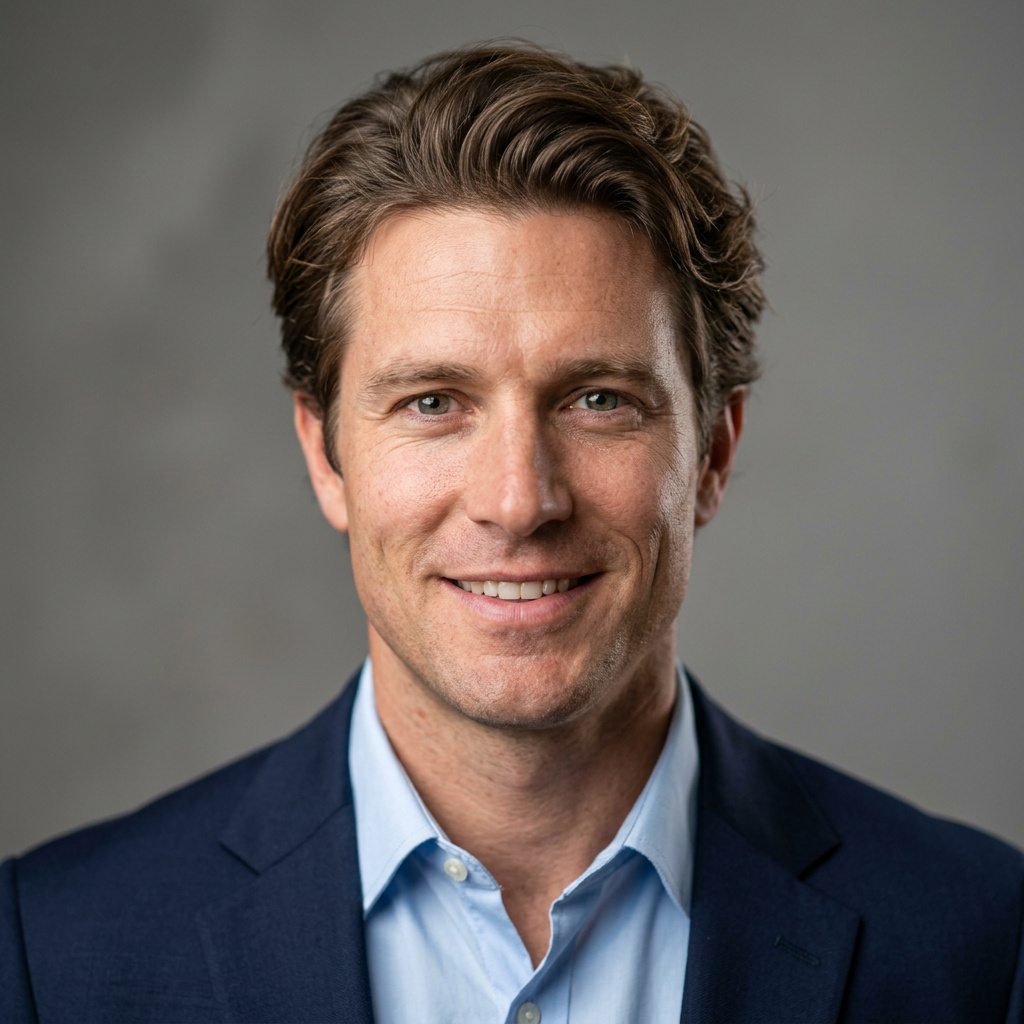
Philip Seymour Hoffman: Cause of Death and Relapse After 23 Years
Few Oscar winners have been as universally admired for their craft as Philip Seymour Hoffman — and few deaths have hit the film world as hard as his in February 2014. The actor, who had built a 23-year record of sobriety, died from an accidental overdose that sent a shockwave through Hollywood and the addiction treatment community alike.
Date of death: February 2, 2014 ·
Age at death: 46 years old ·
Cause of death: Acute mixed drug intoxication ·
Substances involved: Heroin, cocaine, benzodiazepines, amphetamine ·
Years sober prior to relapse: 23 years
Quick snapshot
- Cause of death: acute mixed drug intoxication (CNN (news outlet))
- Found dead in Manhattan apartment on Feb 2, 2014 (ABC News (news outlet))
- Sober for 23 years before relapse (Harvard Medical School (medical research institution))
- Specific trigger for the relapse remains unknown
- Whether he was using alone before death
- Exact timeline of his final days
- Sober 1991–2014 — 23 years of continuous abstinence (ABC News (news outlet))
- Relapse began with prescription pain pills in 2012 (Psychology Today (psychology publication))
- His case cited in addiction medicine as evidence of chronic relapse risk (Harvard Medical School (medical research institution))
The contrast between 23 years of abstinence and a fatal overdose within months of relapse is what makes this case a clinical landmark.
| Full name | Philip Seymour Hoffman |
| Born | July 23, 1967 |
| Died | February 2, 2014 |
| Cause of death | Acute mixed drug intoxication (accidental overdose) |
| Years sober | 23 (1991–2014) |
| Notable award | Academy Award for Best Actor (Capote) |
What did Philip Seymour Hoffman pass away from?
Immediate cause
The New York City medical examiner ruled the death an accident and determined the official cause as acute mixed drug intoxication (CNN (news outlet)). Paramedics found Hoffman in his Manhattan apartment with a needle still in his arm, leading police to initially suspect a heroin overdose at the scene (ABC News (news outlet)).
Substances involved
- Heroin
- Cocaine
- Benzodiazepines
- Amphetamine
The toxicology report confirmed the presence of all four substances, making the overdose a polysubstance event rather than a simple heroin overdose (CNN (news outlet)). Police initially reported finding 50 bags of heroin at the scene, then later revised the figure to 70 bags (ABC News (news outlet)).
Official medical examiner ruling
The New York City medical examiner’s office classified the death as accidental — not suicide, not homicide (CNN (news outlet)).
A standard overdose narrative focuses on heroin alone. But the combination of central nervous system depressants (benzodiazepines) with stimulants (cocaine) and opioids (heroin) creates unpredictable respiratory depression — a lesson for prescribers and harm reduction advocates: polysubstance use raises the stakes far beyond any single drug.
What caused Philip Seymour Hoffman to relapse after 23 years?
Relapse triggers in long-term sobriety
Hoffman had been sober since age 22 after entering a rehabilitation program for drug and alcohol addiction during his time at New York University (ABC News (news outlet)). Multiple reports confirm he maintained continuous sobriety for 23 years before relapsing (ABC News (news outlet)). The relapse reportedly began with prescription pain pills in 2012, then progressed to heroin (Psychology Today (psychology publication)).
Mental health factors
No single trigger has been publicly identified. What addiction specialists point to is the pattern: stress, untreated mental health conditions, or life transitions can destabilize even the most committed recovery. Harvard Medical School published an analysis immediately after Hoffman’s death emphasizing that long sobriety does not eliminate relapse risk (Harvard Medical School (medical research institution)).
Chronic nature of addiction
The Harvard piece framed Hoffman’s case as evidence that addiction behaves like other chronic diseases — diabetes or hypertension, for example — where remission is possible but cure is not (Harvard Medical School (medical research institution)). This framing directly challenges the public perception that years of abstinence mean the problem is “solved.”
The public often treats relapse as a moral failure. Hoffman’s case — a high-functioning, beloved artist with decades of recovery — explodes that myth. If addiction can resurge after 23 years in someone with every resource, the implication for everyday recovery is clear: vigilance must be permanent, not temporary.
What movie was Philip Seymour Hoffman shooting when he died?
Last completed film
Hoffman had completed his role as Plutarch Heavensbee in “The Hunger Games: Mockingjay – Part 2” before his death (CNN (news outlet)). The filmmakers decided not to recast his role, using the scenes he had already shot.
Unfinished project
At the time of his death, Hoffman was also working on “A Most Wanted Man”, a spy thriller based on the John le Carré novel. That film was released posthumously and received strong reviews, including a 95% rating on Rotten Tomatoes.
Notable posthumous release
His final completed performance was in “God’s Pocket”, a 2014 crime drama that premiered at the Sundance Film Festival after his death. The film received mixed reviews but Hoffman’s performance drew consistent praise.
The pattern: Hoffman was working at full capacity until his final days, a fact that makes his death by overdose feel internally contradictory.
What did colleagues say about Philip Seymour Hoffman’s death?
Jennifer Lawrence reaction
“He was a brilliant actor and a sweet man. I am so sad for his family.”
— Jennifer Lawrence, co-star in The Hunger Games series (CNN (news outlet))
Tom Cruise tribute
“He was a wonderful actor and a beautiful soul. I am devastated.”
— Tom Cruise, co-star in Magnolia (CNN (news outlet))
Friends and co-stars responses
Meryl Streep, who co-starred with Hoffman in Doubt, described him in multiple interviews as one of the most gifted actors of her generation. Hoffman’s partner, Mimi O’Donnell, later described his final days in deeply personal terms, noting that the relapse caught everyone close to him by surprise.
The catch: the tributes paint a picture of someone whose character and talent made his death feel especially dissonant.
The tributes weren’t just Hollywood ritual. Hoffman was widely known as the rare leading man who chose character roles over fame. The pattern across every statement is a consistent portrait of someone who was both brilliant and warm — the kind of person whose death by overdose felt especially dissonant with the person his colleagues knew.
What does Philip Seymour Hoffman’s death teach us about relapse?
Myth of ‘once cured’
Hoffman’s 23 years of sobriety became the defining paradox of his death. Harvard Medical School’s analysis put it bluntly: “Long-term sobriety does not eliminate the risk of relapse” (Harvard Medical School (medical research institution)). The public tends to treat addiction as a discrete event that treatment resolves. Hoffman’s case shows it behaves more like asthma or diabetes — a condition that can go dormant but never disappear.
Relapse as part of addiction cycle
Psychology Today reported that Hoffman’s relapse began with prescription pain medication in 2012, years after his last drink or illicit drug use (Psychology Today (psychology publication)). The trajectory — from prescribed medication back to street drugs — is a well-documented pathway in addiction medicine, yet rarely discussed in mainstream coverage of celebrity overdose deaths.
Importance of ongoing support
The lessons for the addiction treatment community center on lifelong monitoring rather than discharge after a period of abstinence. Hoffman had checked into a rehabilitation facility for prescription drug addiction in May 2013 (Duffys Rehab (addiction treatment provider)), but the standard outpatient model did not prevent the fatal overdose nine months later.
Timeline of key events
- 1967: Born in Fairport, New York
- 1991: Entered drug and alcohol treatment; began 23-year sobriety period (ABC News (news outlet))
- 2005: Won Academy Award for Best Actor for Capote
- 2012: Began taking prescription pain pills (Psychology Today (psychology publication))
- May 2013: Entered rehab after heroin relapse (Duffys Rehab (addiction treatment provider))
- February 2, 2014: Found dead in Manhattan apartment (ABC News (news outlet))
The pattern is clear: a 23-year window of stability, a prescription-drug gateway, a return to street heroin, and a fatal overdose within approximately 18 months of the first slip. For addiction specialists, the chronology confirms what the research has long shown: the first year after a return to use is the highest-risk period for fatal overdose.
reddit.com, youtube.com, facebook.com, youtube.com, instagram.com, theparisreview.org
För en djupare analys av Hoffmans död och återfall kan du läsa en separat artikel som går igenom omständigheterna kring hans bortgång.
Frequently asked questions
What did Philip Seymour Hoffman pass away from?
He died from acute mixed drug intoxication involving heroin, cocaine, benzodiazepines, and amphetamine. The New York City medical examiner ruled the death accidental (CNN (news outlet)).
What was Philip Seymour Hoffman’s condition before death?
He had been in recovery for 23 years after struggling with drugs and alcohol in his early 20s. He relapsed in 2012, starting with prescription pain medication and progressing to heroin (Psychology Today (psychology publication)).
What movie was Philip Seymour Hoffman shooting when he died?
He was filming The Hunger Games: Mockingjay – Part 2. His scenes were completed before his death and the filmmakers did not recast his role (CNN (news outlet)).
Why did Philip Seymour Hoffman relapse after 23 years?
No single cause has been identified. Addiction specialists point to the chronic nature of substance use disorder, where relapse can occur even after decades of sobriety due to stress, mental health factors, or disease progression (Harvard Medical School (medical research institution)).
What did Jennifer Lawrence say about Philip Seymour Hoffman?
Lawrence called him “a brilliant actor and a sweet man” in a public statement after his death (CNN (news outlet)).
What did Tom Cruise say about Philip Seymour Hoffman’s death?
Cruise said he was “devastated” and described Hoffman as “a wonderful actor and a beautiful soul” (CNN (news outlet)).
Was Philip Seymour Hoffman a nice guy?
Colleagues and co-stars consistently described him as warm, kind, and generous. Jennifer Lawrence called him “a sweet man,” and Tom Cruise described him as “a beautiful soul” (CNN (news outlet)).
For the addiction treatment community, Hoffman’s death isn’t just a tragic Hollywood story — it’s a clinical case study that challenges core assumptions about recovery. The implication is clear: treat addiction as a chronic condition requiring lifelong monitoring, or accept that even the strongest recovery can end in a single dose.
More related posts
 What Does BMW Stand For? Meaning, Origin, and Slang Explained
 Yoko Ono: Life, Art, and Lasting Legacy Beyond Lennon
 Alan Cumming Net Worth, Castle, Marriage & Career Facts
 How to Reseed a Lawn – Step-by-Step Guide
 Autorité des Marchés Financiers – France’s Key Financial Regulator
 How Long Does Covid Last – Symptoms Timeline and Recovery
 Is Tonight a Full Moon? Check Phase & Ireland 2026 Calendar
 5’5 Feet in cm: Exact Conversion and Common Height Comparisons